Energy Economist & Author
I help boards, investors and audiences tell an energy plan that can work from one that cannot.
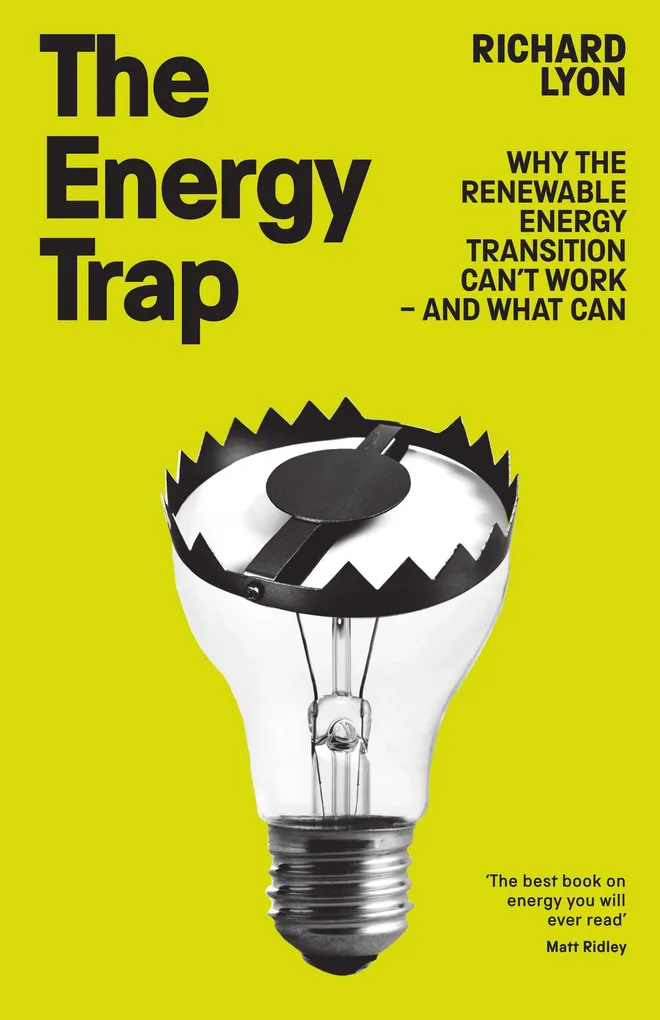
The Energy Trap
Why the renewable energy transition can't work – and what can
The renewable energy transition cannot work. Not because of politics. Not because of cost. Because of physics. Energy policy is being written by people with no training in physics or power systems, no experience of producing energy, and no grasp of the economics of finite resource extraction. The result is the most consequential gamble in industrial history — and almost nobody is checking the arithmetic.
Also from Waterstones, Foyles and Amazon US.
Three ways to work with me
Boards, conferences and readers arrive at the same question from different sides: which energy systems work, what they cost, and who pays.
Keynotes and panels
The physics of the transition for audiences who have to make decisions about it. Forty minutes, no slide that needs a physics degree, questions taken straight.
View topics and availabilityExecutive energy advisory
Independent analysis of energy exposure, policy risk and the arithmetic behind a plan, for boards and investors who would rather know now than find out later.
Explore advisory optionsWeek in Energy
Every week, the energy stories that moved, read against the numbers underneath them. Synthesised from a daily sweep of policy, prices and generation data, so you get the week in one sitting.
See past issues and subscribe
An engineer's habit of checking the sums
I come at energy the way an engineer does: measure first, argue second. I am an electrical engineer, a petroleum engineer and an energy economist, and I spent thirty years in the oil and gas industry before I started writing about it.
I read the meters before I reach for the opinion. My books, the newsletter and the advisory work share one method: take the stated ambition, find the physical and financial constraints it has to satisfy, and see whether they meet. Often they do not, and saying so early is cheaper than discovering it late.
I work with boards, investors, editors and audiences who want the transition to succeed and would rather it were planned on arithmetic than on hope.
Electrical engineer · Petroleum engineer · Energy economist · Edinburgh
The Energy Trap in eleven pages
The question each chapter answers, and why it matters to you. Seven illustrated pages; no email required.